Two of Florida's biggest trial court jurisdictions now require attorneys and self-represented litigants to disclose and certify the use of generative AI in court filings. The orders don't ban AI. They force transparency: if you used it, say so on the face of the filing and confirm you actually verified the output.
The Orders
The 11th Judicial Circuit (Miami-Dade) issued Administrative Order No. 26-04 on January 15, 2026. Any filing prepared with generative AI must include a certification stating that all factual assertions, legal authority, and citations have been independently verified for accuracy, and that the filer accepts full responsibility.
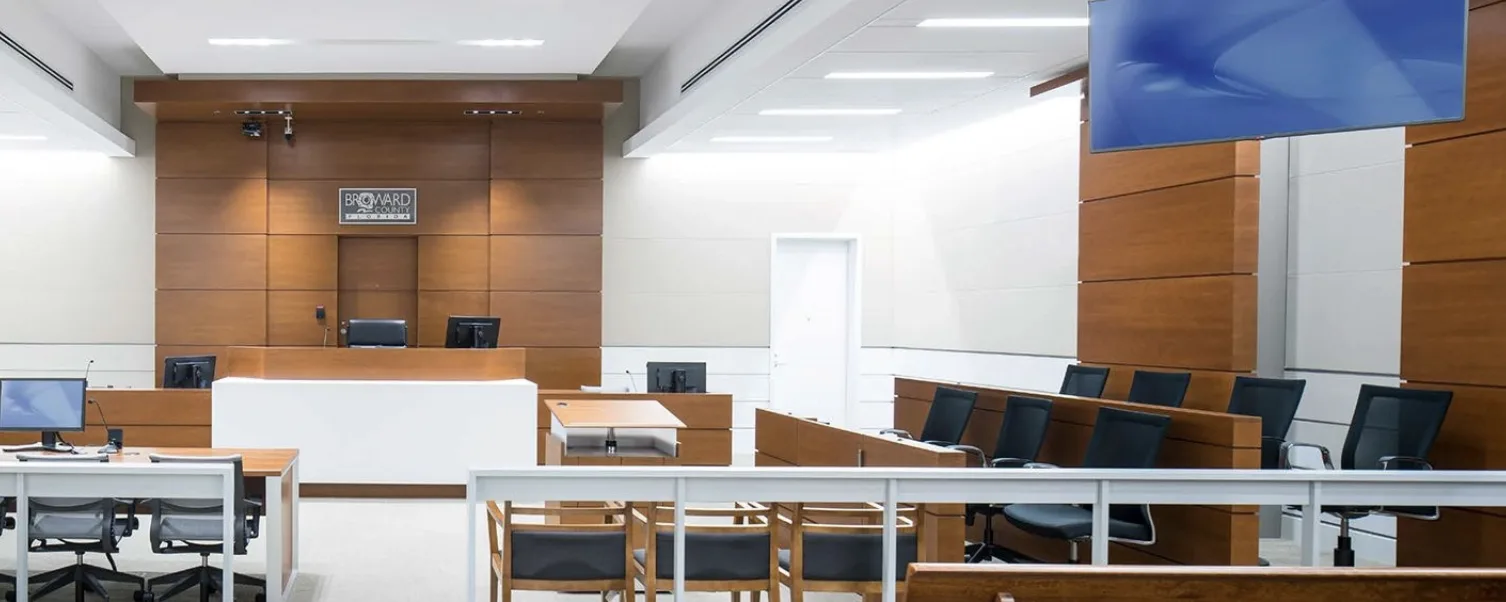
The 17th Judicial Circuit (Broward) followed on January 26, 2026, with Administrative Order 2026-03-Gen. Broward's certification language is more granular, explicitly calling out quotations, paraphrased assertions, facts, and legal analysis as items that must be independently verified. The order also expressly approves AI use in pretrial discovery and pleadings, provided it stays within ethical bounds.
The 15th Judicial Circuit (Palm Beach) has also adopted a standing AI order addressing similar disclosure requirements.
Sanctions
11th Circuit (Miami-Dade)
- Striking of the filing
- Denial of requested relief
- Monetary sanctions
- Contempt proceedings
- Referral to The Florida Bar
17th Circuit (Broward)
- Contempt
- Striking of pleadings or dismissal
- Fines and/or attorney's fees
- Referral to The Florida Bar
The referral to The Florida Bar line in both orders is the one worth paying attention to. That's not a trial court slap on the wrist. That's a disciplinary proceeding.
Bottom Line
If you practice in these circuits, include the required certification language in any filing where you used generative AI, and actually do what the certification says you did. If you practice elsewhere in Florida, don't get comfortable. These are the state's largest jurisdictions, and other circuits are watching. The trend is clear: use the tools, but own the work product.