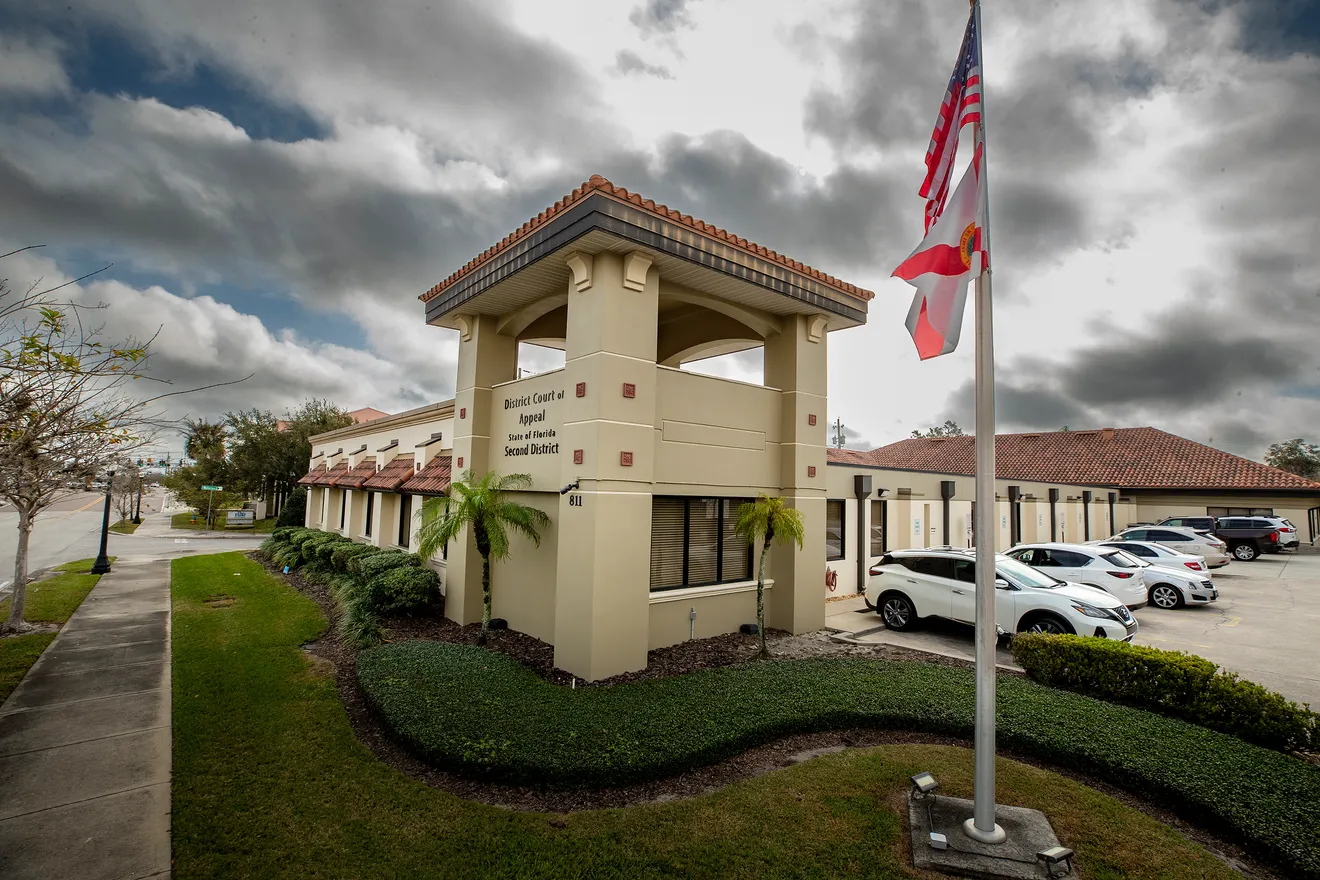
A recent opinion from Florida's Sixth District Court of Appeal is a blunt reminder that pre-trial deadlines — especially expert disclosure deadlines — are not aspirational. Miss them, and you may walk into trial without your experts. Crecelius v. Rizzitano, No. 6D2024-2217, 2026 WL 555031 (Fla. 6th DCA Feb. 27, 2026).
What Happened
The case arose out of Lee County. The defense missed the expert witness disclosure deadline, then compounded the problem by still not providing the experts' opinions weeks later. When the plaintiff moved to strike both defense experts, counsel's explanation was that the late disclosure stemmed from internal office mismanagement, and that the opinions hadn't been produced because the experts themselves hadn't submitted them — despite counsel's requests.
The trial court held a hearing on the motion to strike just fifteen days before trial. By that point, plaintiff had already served interrogatories and requests to produce regarding the expert opinions nearly two months earlier. The defense was still not in compliance.
Why This Matters
Florida courts apply the Binger v. King Pest Control framework when evaluating late expert disclosures. Under that standard, courts weigh factors including the reason for the late disclosure, the ability of the opposing party to cure any prejudice, and whether allowing the late disclosure would disrupt the trial. When a party's own administrative failures are the sole cause of the delay — and the failure persists all the way to the eve of trial — those factors typically cut hard against relief.
The opinion underscores something trial attorneys sometimes treat as a footnote: you are responsible for your experts, not the other way around. The fact that an expert hasn't sent you their opinion does not toll the disclosure deadline. The obligation to comply runs to the attorney and the client, not to a third-party witness who may be slow to respond.
Practical Takeaways
What to do before the next trial
- Calendar expert disclosure deadlines the moment a scheduling order is entered — not when it feels urgent
- Chase your experts for opinions weeks before the deadline, not days. Send written requests so you have a paper trail if something goes wrong
- If a deadline is going to be missed, move for an extension before it passes — not after opposing counsel files a motion to strike
- Do not assume the court will give you a pass for internal office errors. Judges hear that explanation constantly, and it carries less weight every time
- If your experts are retained, put deadline obligations in your engagement letter so there is no ambiguity about who owes what by when
Bottom Line
Pre-trial deadlines are not suggestions. An expert disclosure deadline missed because of an internal calendaring failure — and still uncured fifteen days before trial — is about as unsympathetic a posture as you can put yourself in. Build your trial preparation timeline backward from the disclosure deadline, not forward from when you get around to it.